The Gem and Jewelry World's foremost Resource
on The Internet. Open to the public, Free of Charge! We are here to build a strong pool of
information for the benefit of Web's jewelers and craftsmen - and those
interested in jewelry and gemstones.
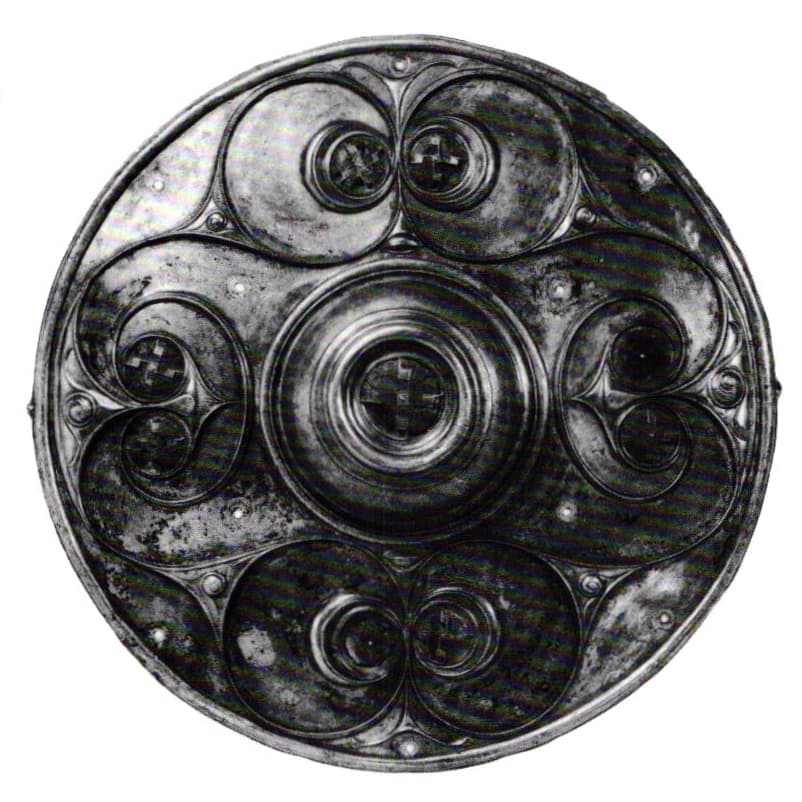
In the late 20s, a small enamel tray, made in China, introduced us to the word cloisonne. The material looked like the granite ware in our kitchen. Obviously the wires were used to keep the colors separated. Then, cloisonne was enamel with wires separating the colors. Simplicity, pure and simple. This is where the majority of the general public leaves the subject, little knowing or caring about its rich history.... (1995) Complete Story
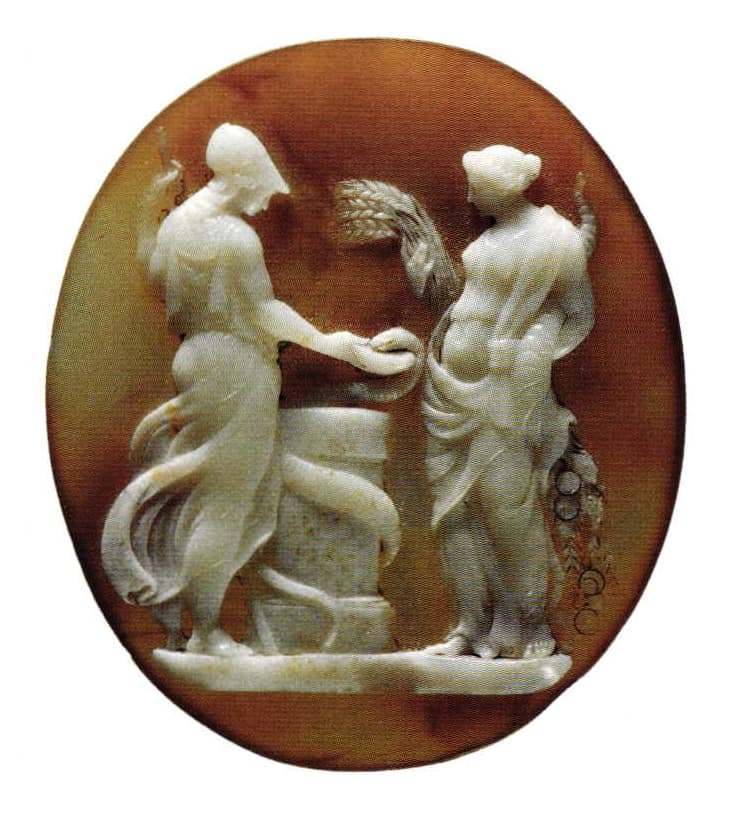
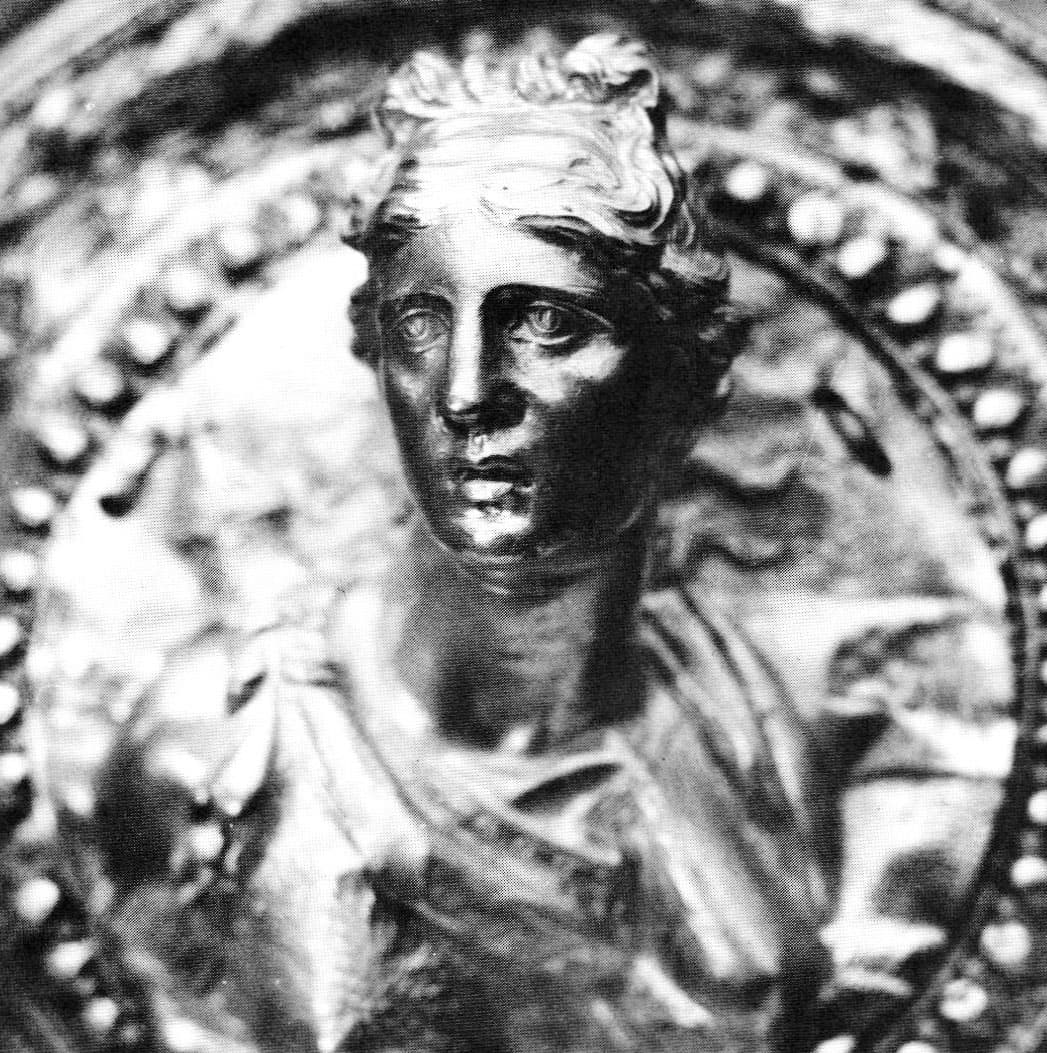
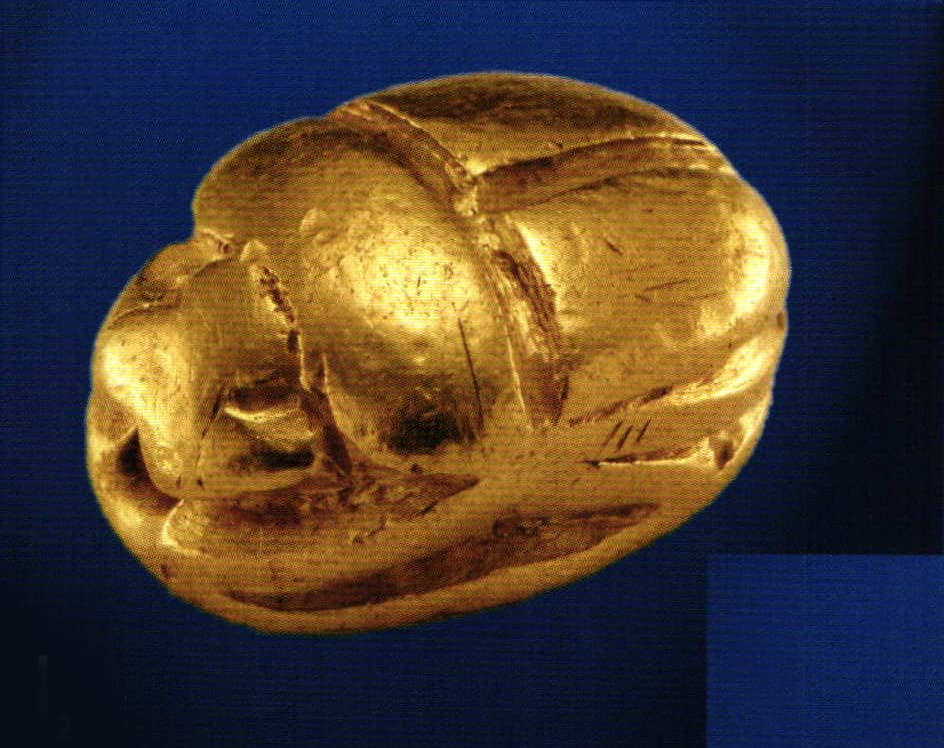
The art of gem cutting (glyptics in Greek) is one of the oldest testimonies to how installed, fascinating miniatures can transform gemstones into tiny works of art with immense charisma and magical significance. Decoration, symbols and magic formulae that still fascinate and have given gemstone engraving a special place in the cultural history of mankind.... (2004) Complete Story
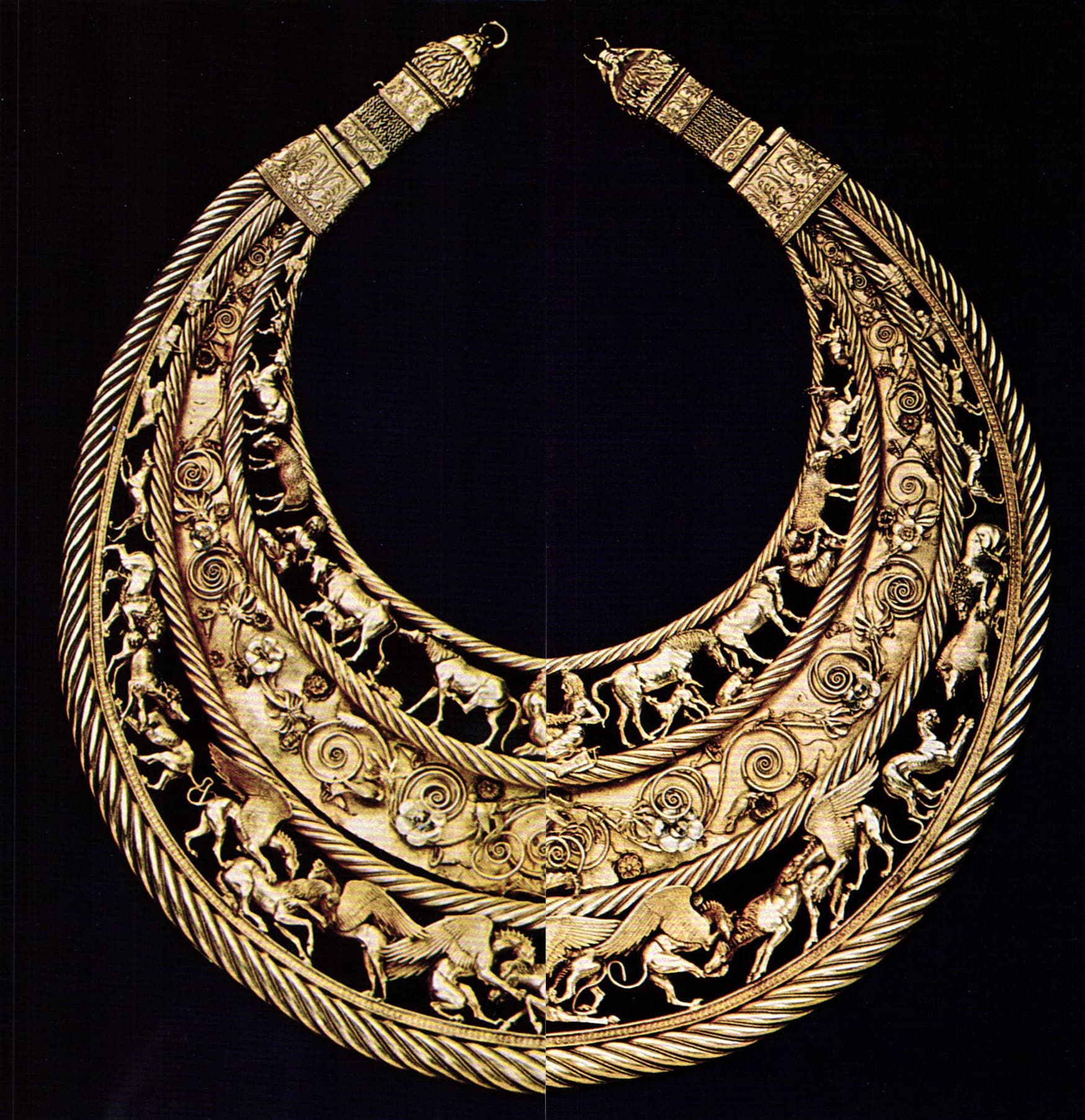
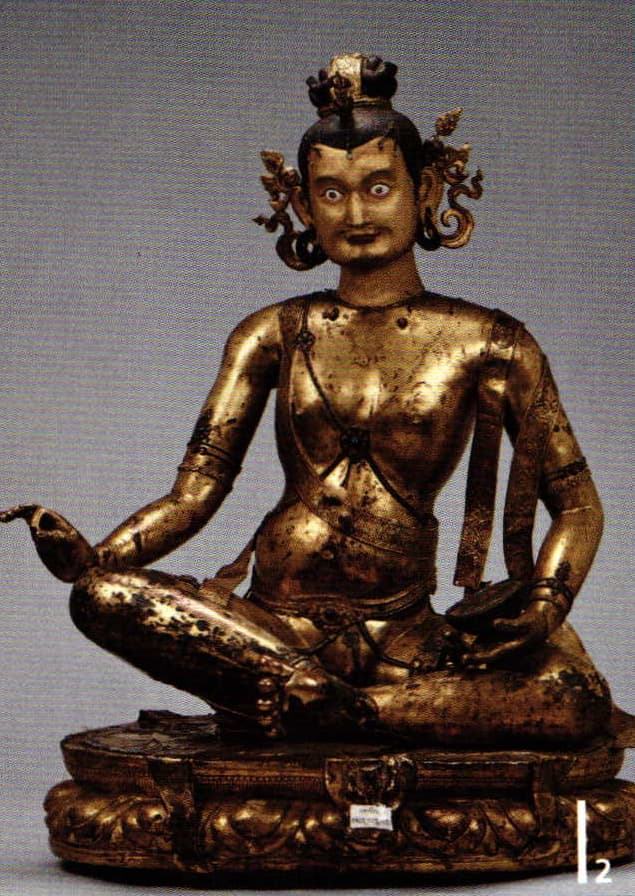
In the conditions of world globalization, a big part of modern mankind realized how important human ties are to their roots. Once neglected traditions today acquire vital importance. People search for and go back to old traditions, create and implement new ones, which time will give their proper places in the processes of the development of mankind. Georgia, with its spiritual and material treasures, occupies a very significant place in the world culture. We have not mentioned spiritual and material culture accidentally, as the story that we are going to tell unites in itself both of these two concepts and perfectly ties them to each other. This is Georgian cloisonne enamel, which according to the survived earliest examples counts at least twelve hundred years of existence.... (2004) Complete Story
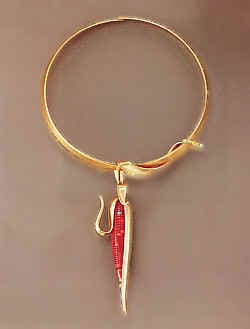
In 1898, Wilhelm Krische, owner of a factory that made history books and a stone printing shop, patented one of the first plastics. But he had no way of knowing that thirty years later, Coco Chanel would take the "milk stone" Krische had developed and would help it make a final breakthrough in the costume jewelry industry. Galalith - the word is formed using the Greek words for milk and stone - that was used in the nineteen twenties and thirties as a jewelry stone was, as is so often the case in the world of inventions, discovered by accident.... (2004) Complete Story
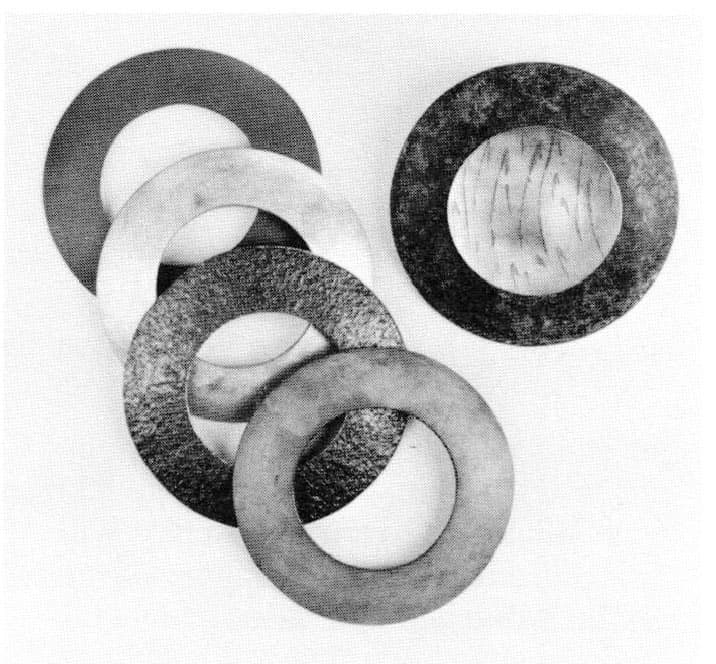
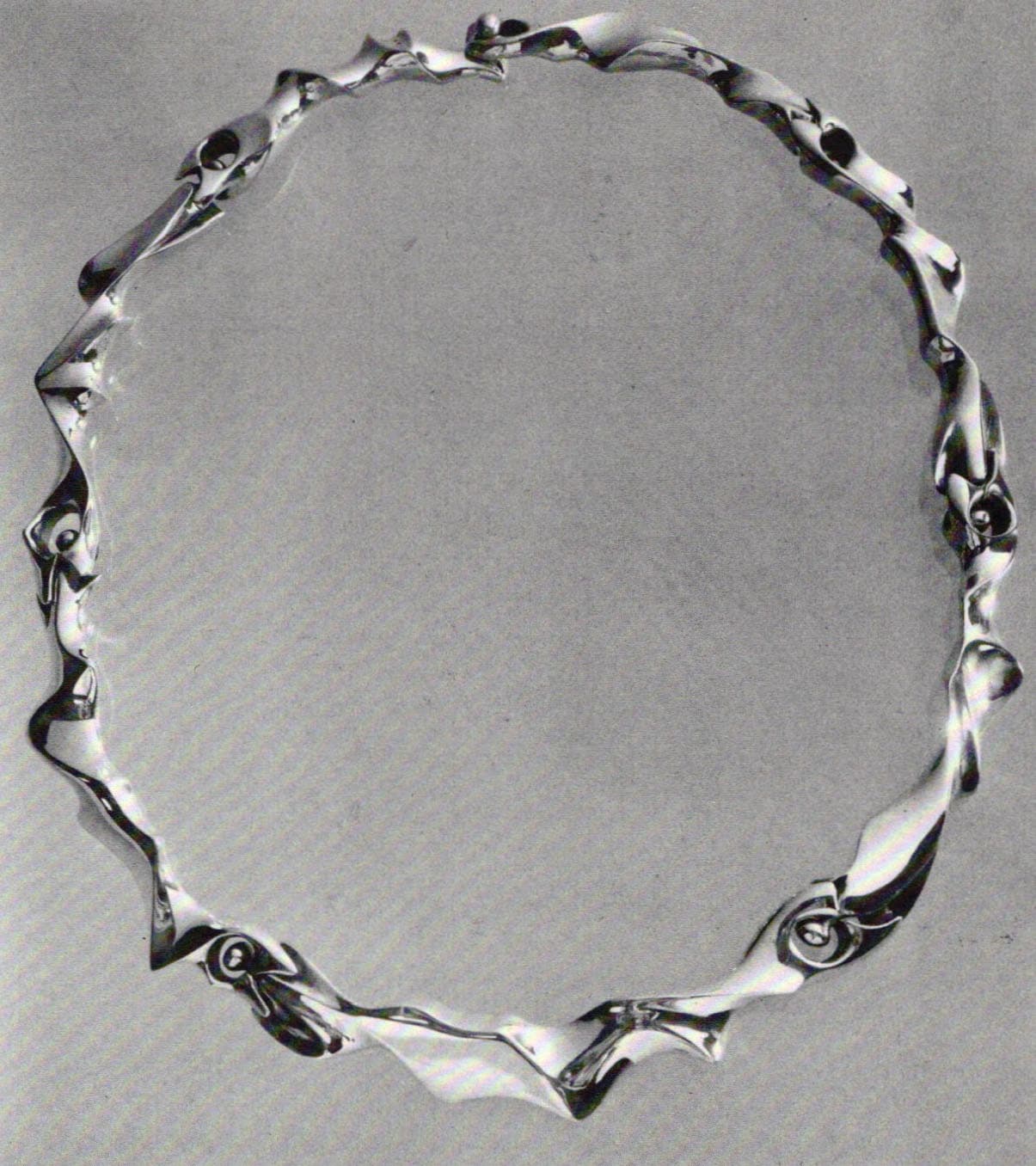
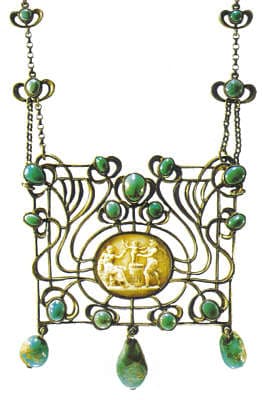
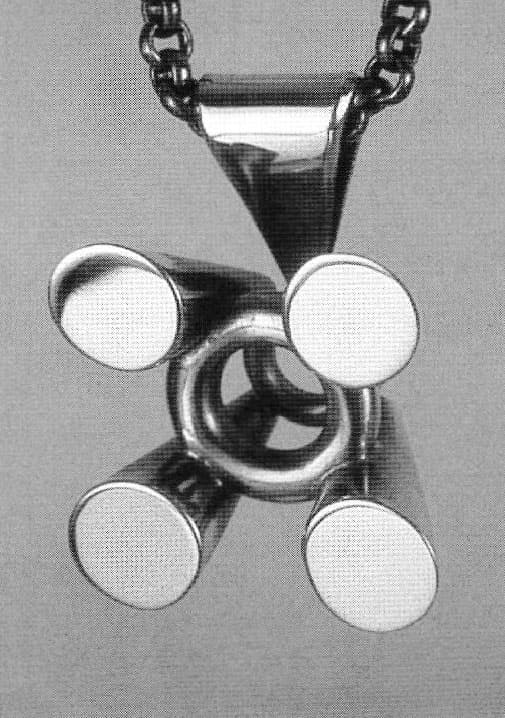
A representative cross-section of jewelry design in Switzerland in the last century, entitled "The Art of Jewelry in Switzerland in the 20th Century," was shown from June through August 2003 at the Museo Vela in Ligornetto. Thereafter, the exhibition was shown in other large European cities. This survey of the last century conveys an interesting and often also surprising impression of the techniques, preferences, and developments in the art of jewelry in a Switzerland caught on the cusp between yesterday and tomorrow.... (2003) Complete Story